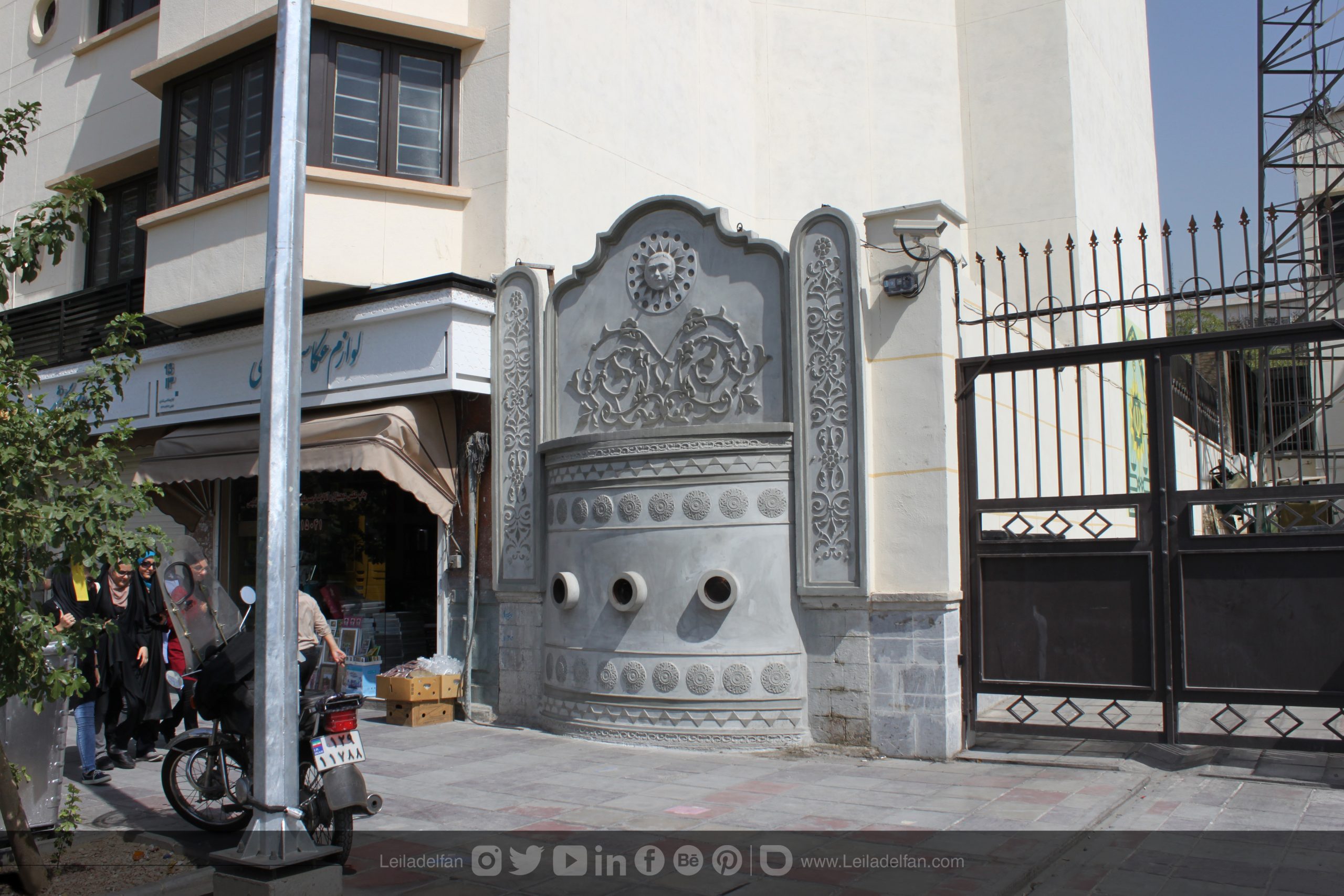
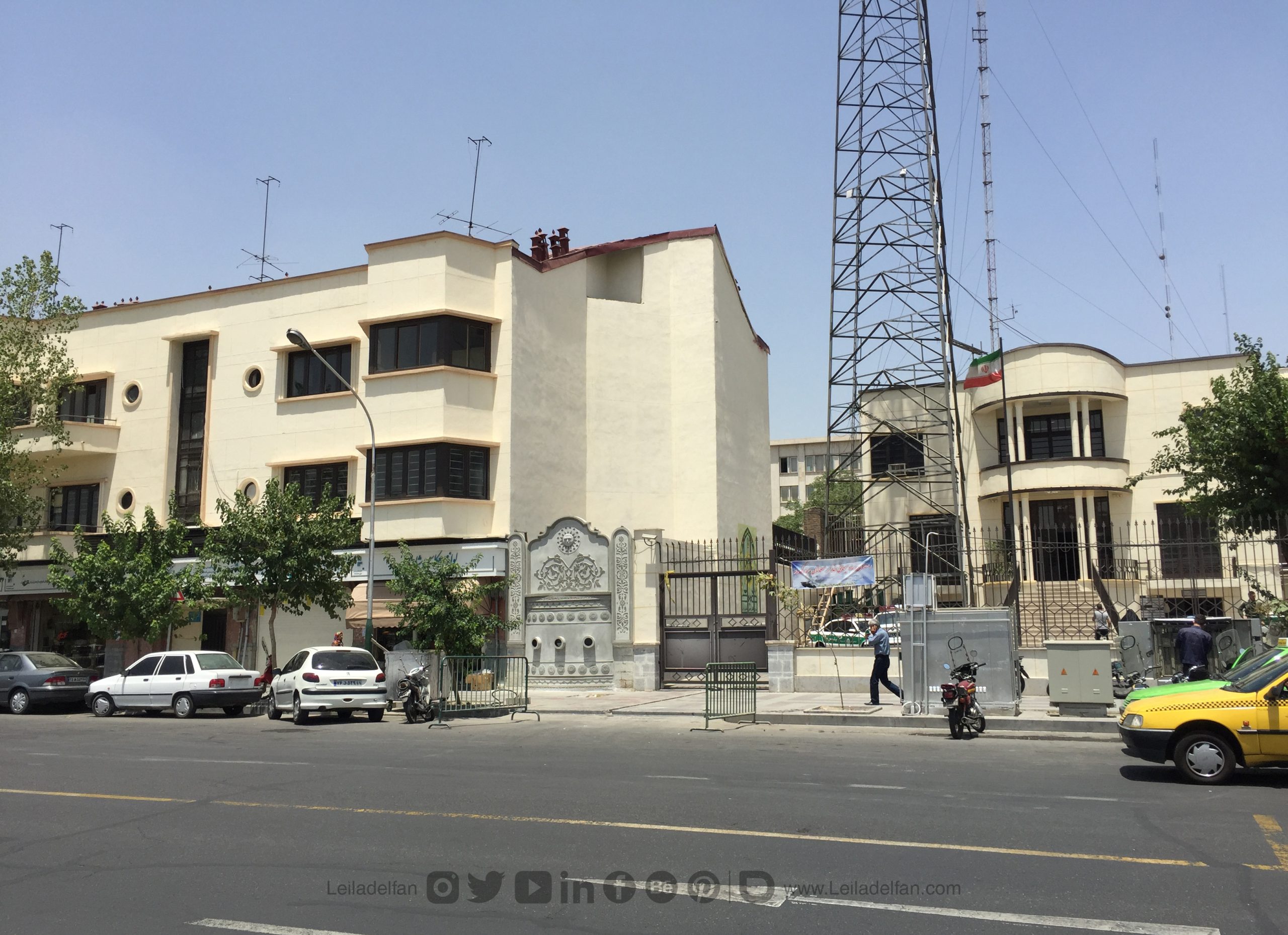
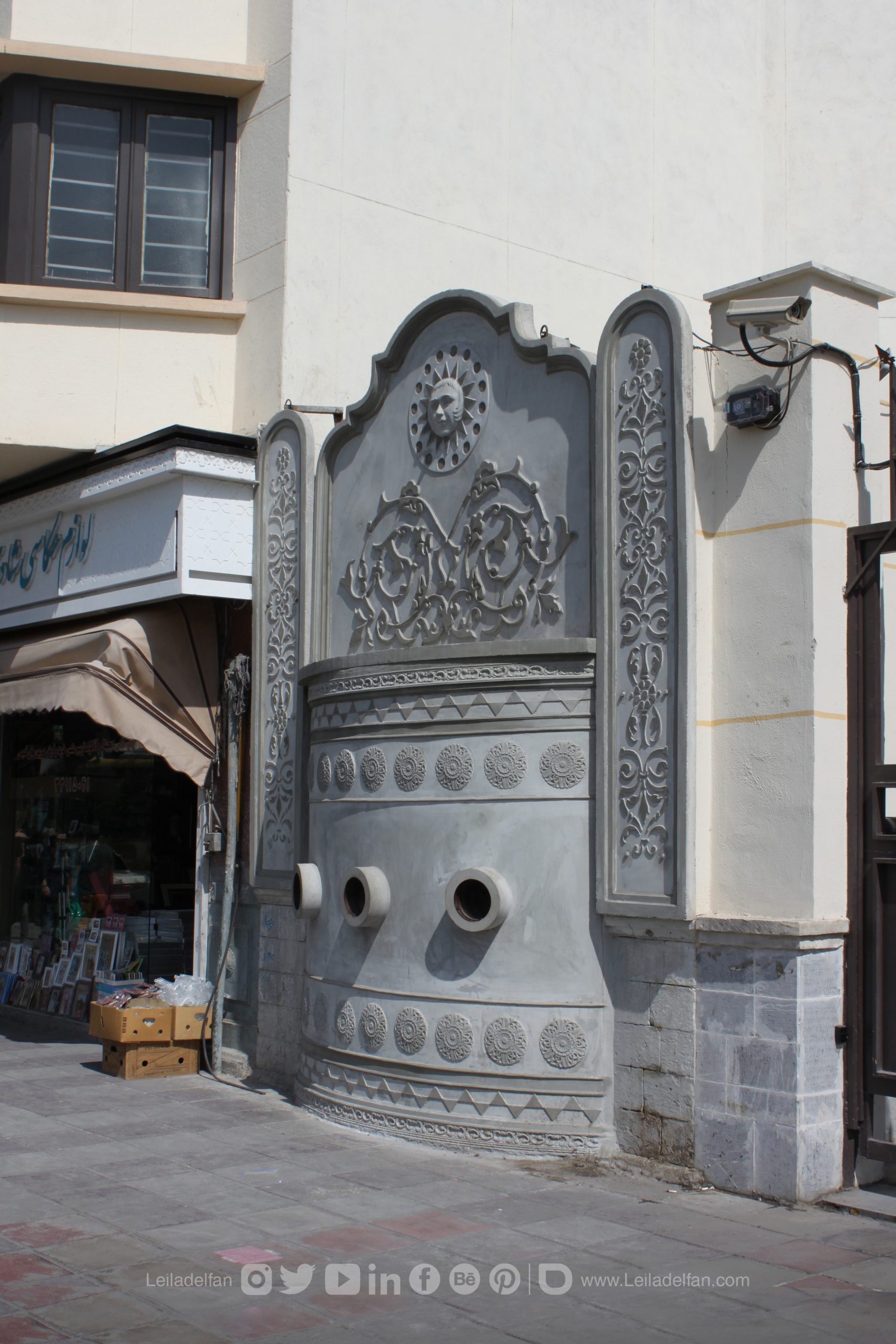
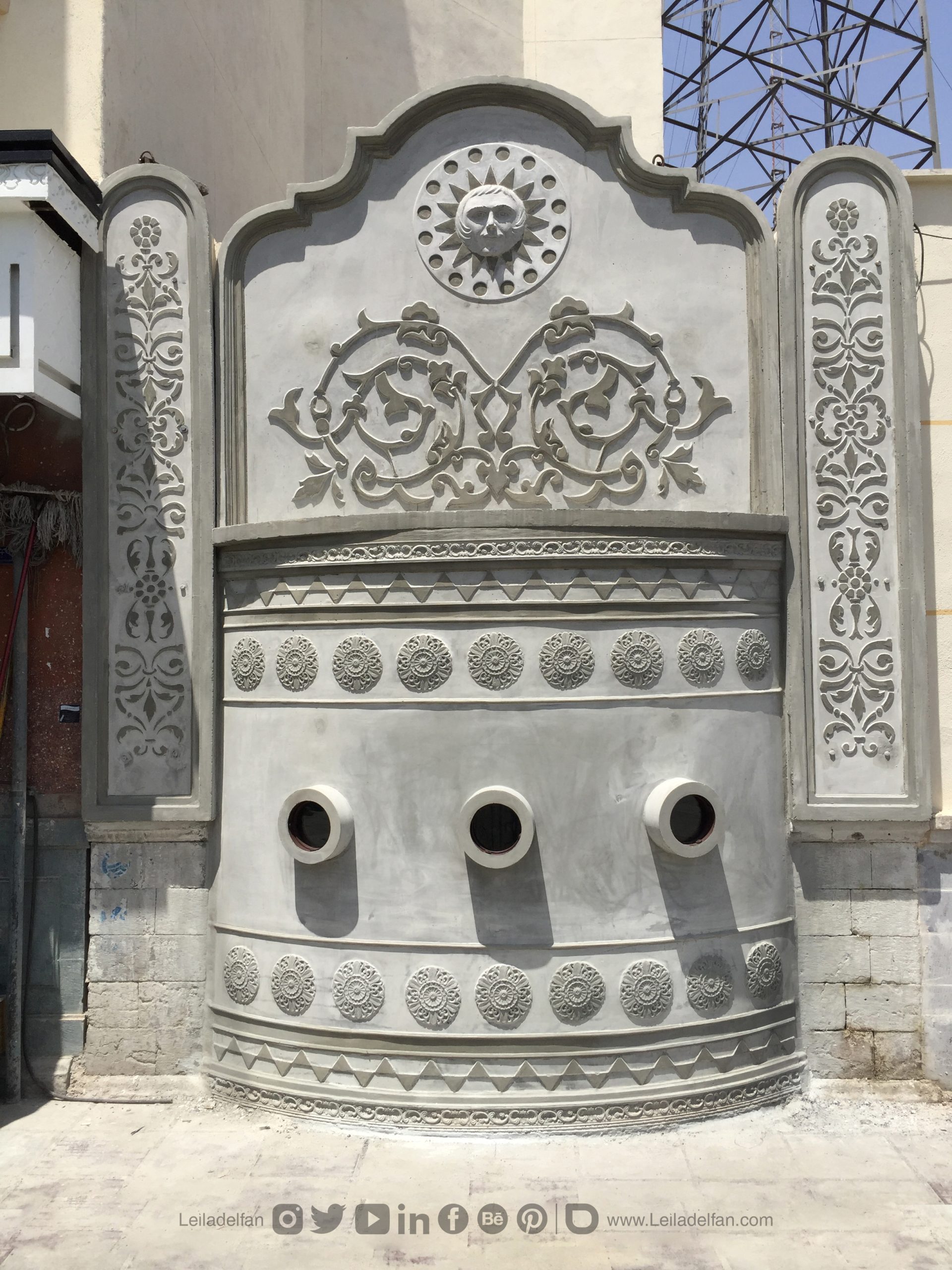
This project
reworks that idea as a fixed structure in the city.
Built in
concrete, the piece is placed within the urban environment and designed to be
approached and used. Openings in the form allow viewers to look through it,
echoing the original device while changing its context.
Instead of
presenting images directly, the work focuses on the act of looking—how images
are framed, mediated, and encountered.
What remains is a simple interaction: looking through, pausing, and becoming aware of the relationship between viewer, object, and image.
