Leila Delfan is a visual artist working between public space
and the studio.
Her practice begins with the wall—not as a neutral surface,
but as something already shaped by time, damage, and use.
In her public works, she engages directly with architectural
surfaces. Cracks, erosion, and structural irregularities are not treated as
imperfections to be covered, but as elements that guide the image. Rather than
placing an image onto the wall, she works with what is already there, allowing
the composition to emerge from within the surface.





Over time, this way of working has contributed to new
approaches to architectural surfaces in contemporary Iranian mural painting,
where the wall is no longer seen as a passive support, but as an active,
meaning-producing element.
Through large-scale murals, Delfan explores how images exist
in the city—how they are seen, ignored, or absorbed into everyday movement. Her
figures often appear in unstable or transitional states, moving away from fixed
or monumental representations toward something more fragmented and open.
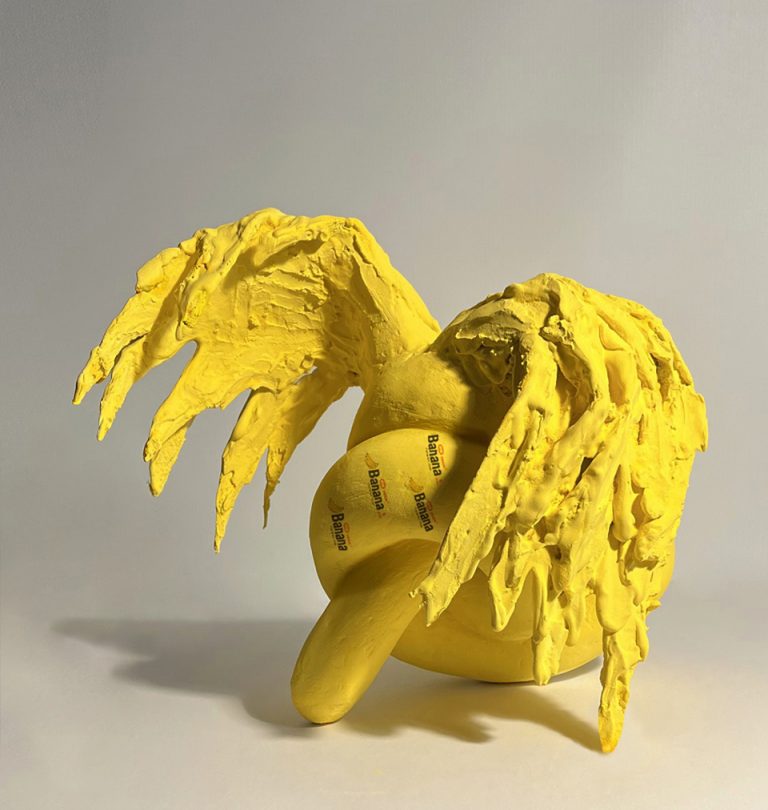
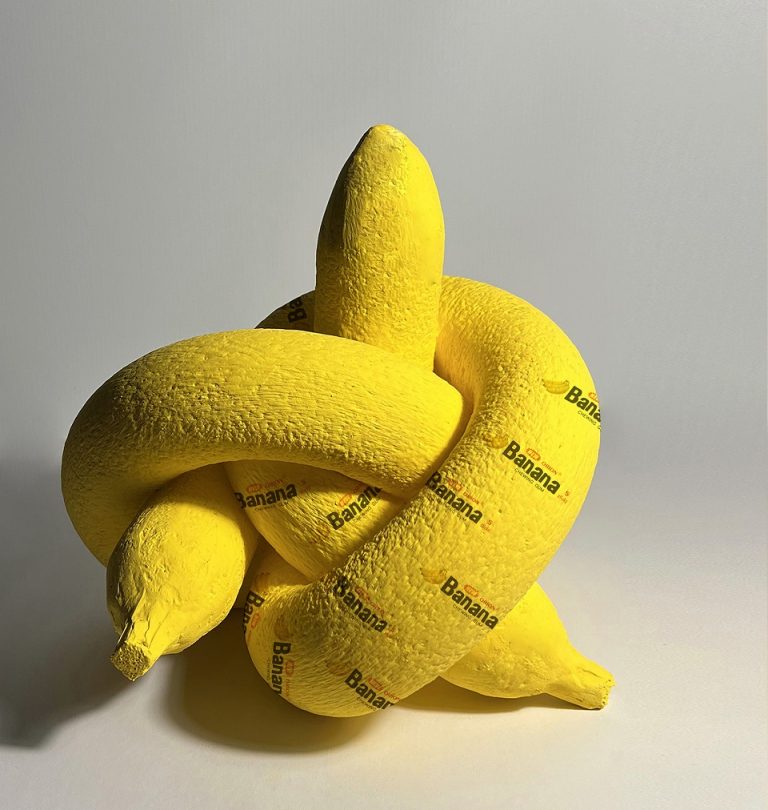
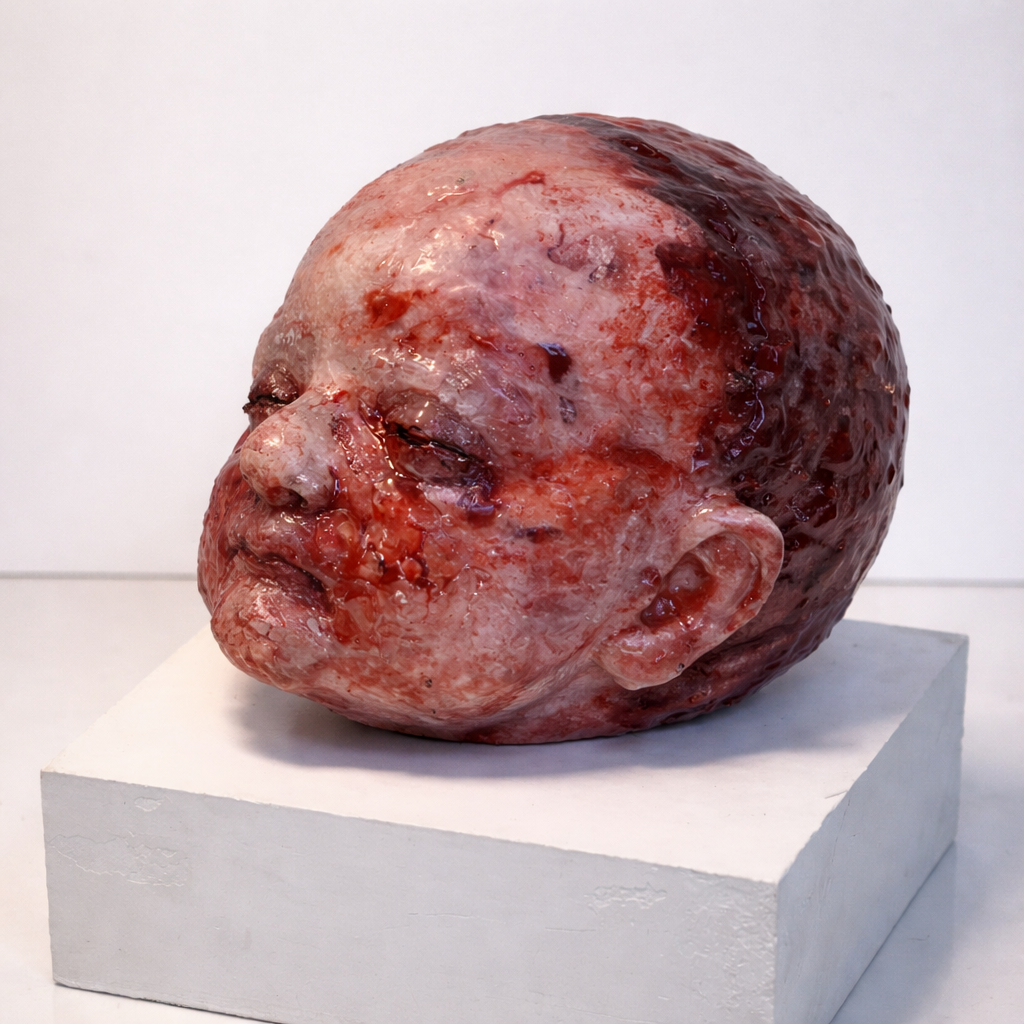
Alongside this, her studio practice continues similar
concerns in a different register. Working with ceramic and surface-based
processes, she focuses on fragmentation, pressure, and transformation. Faces
and bodies are not presented as fixed identities, but as forms shaped by
tension—between exposure and concealment, presence and disappearance.
At the center of her work is the ongoing series Surface as
Memory.
This series developed from a close attention to the existing
conditions of urban walls. Instead of treating the surface as a backdrop, it
becomes the starting point—the place where image, material, and memory meet.
Her work draws from a range of visual sources, including
Persian miniature painting, archival imagery, and early image-making practices.
These references are not reproduced directly, but reworked through contemporary
conditions, reappearing within the textures and structures of the present.

Across both public and studio contexts, her practice returns to a consistent question: how images inhabit surfaces, and how those surfaces, in turn, shape perception and memory. My work begins with the surface, but it often ends somewhere less certain.
– Honorary Diploma, Tehran Urban Arts Biennial
– Award Trophy, Tehran Urban Arts Biennial