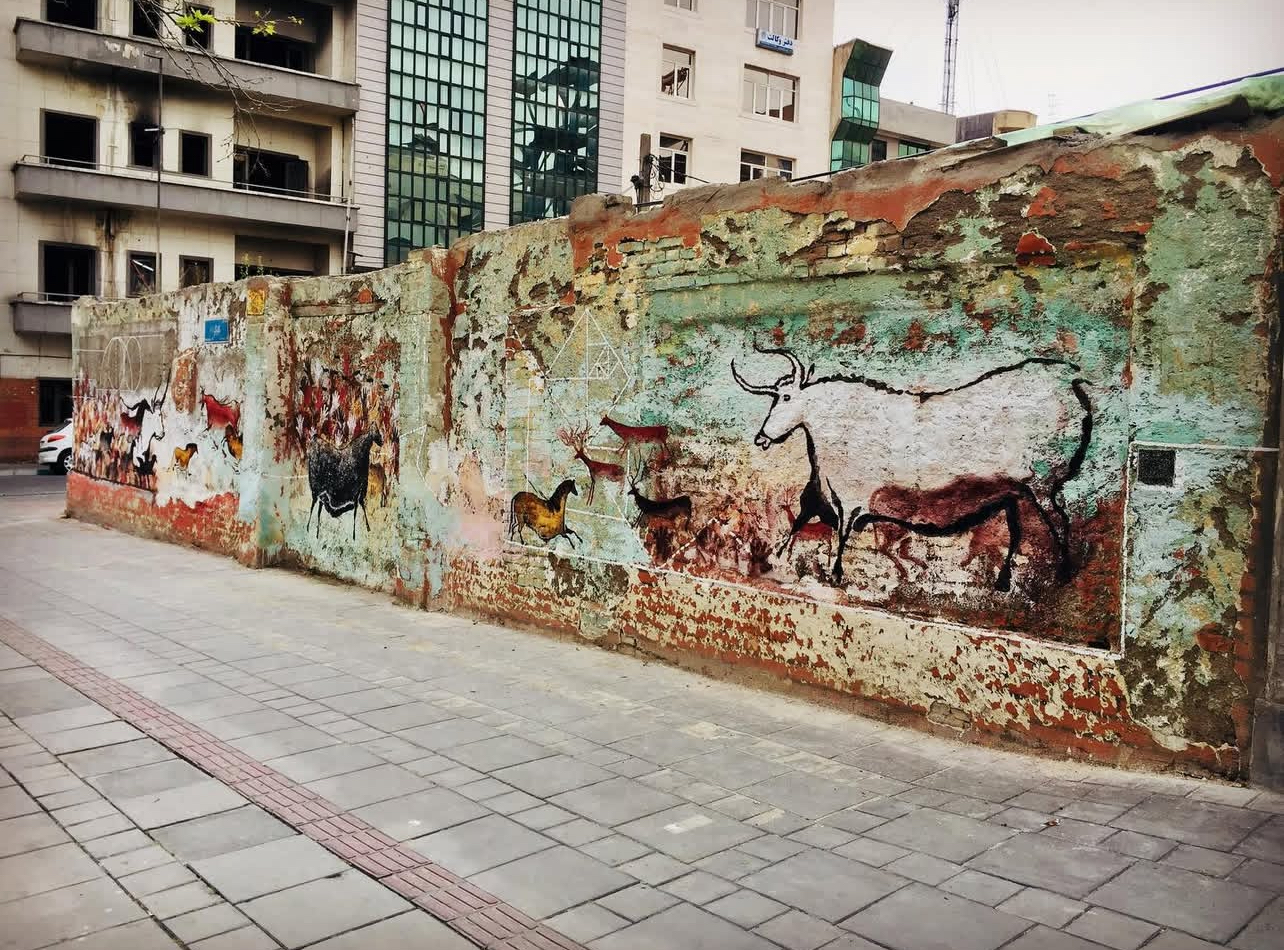
-
- Leila Delfan
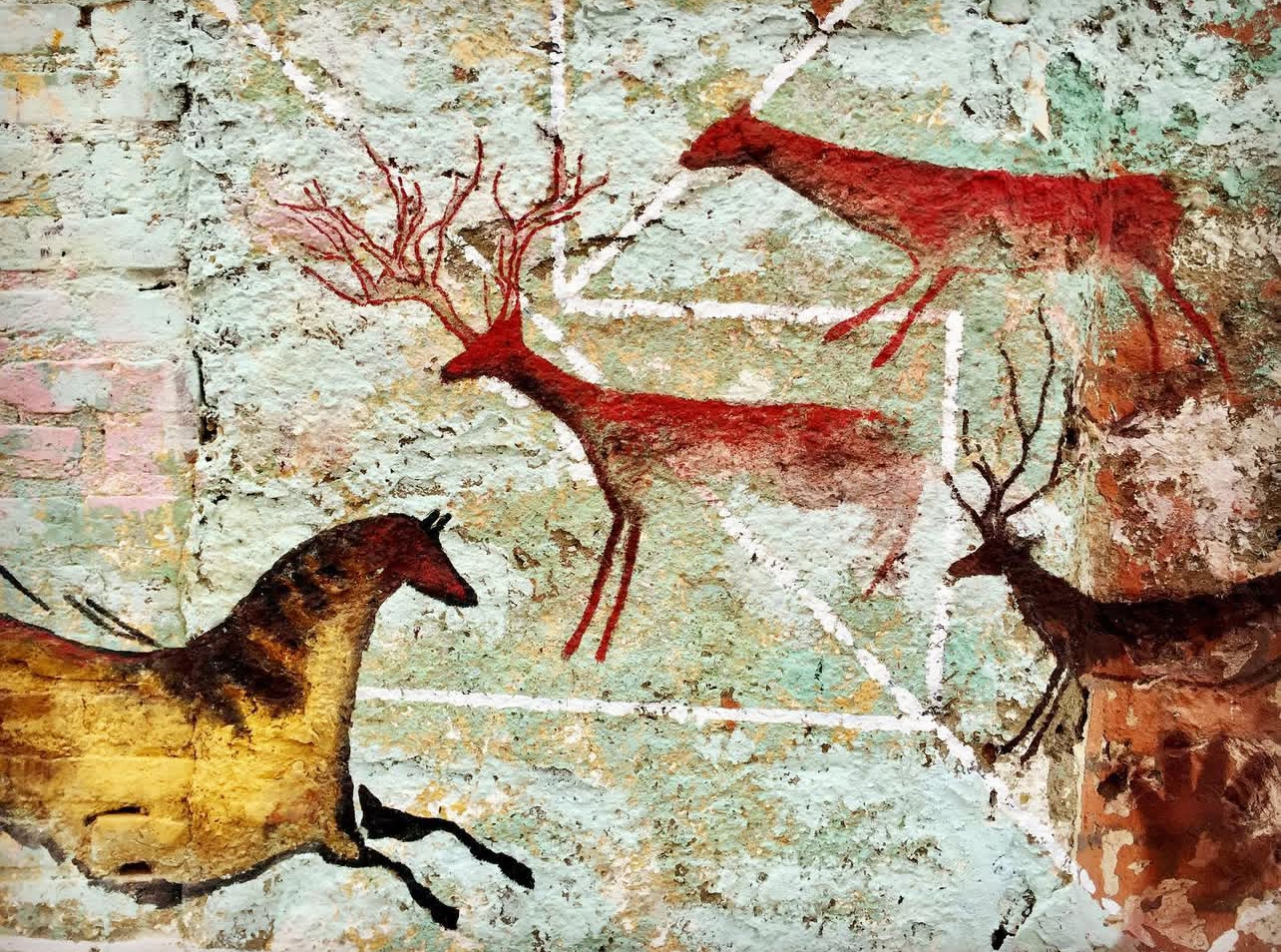
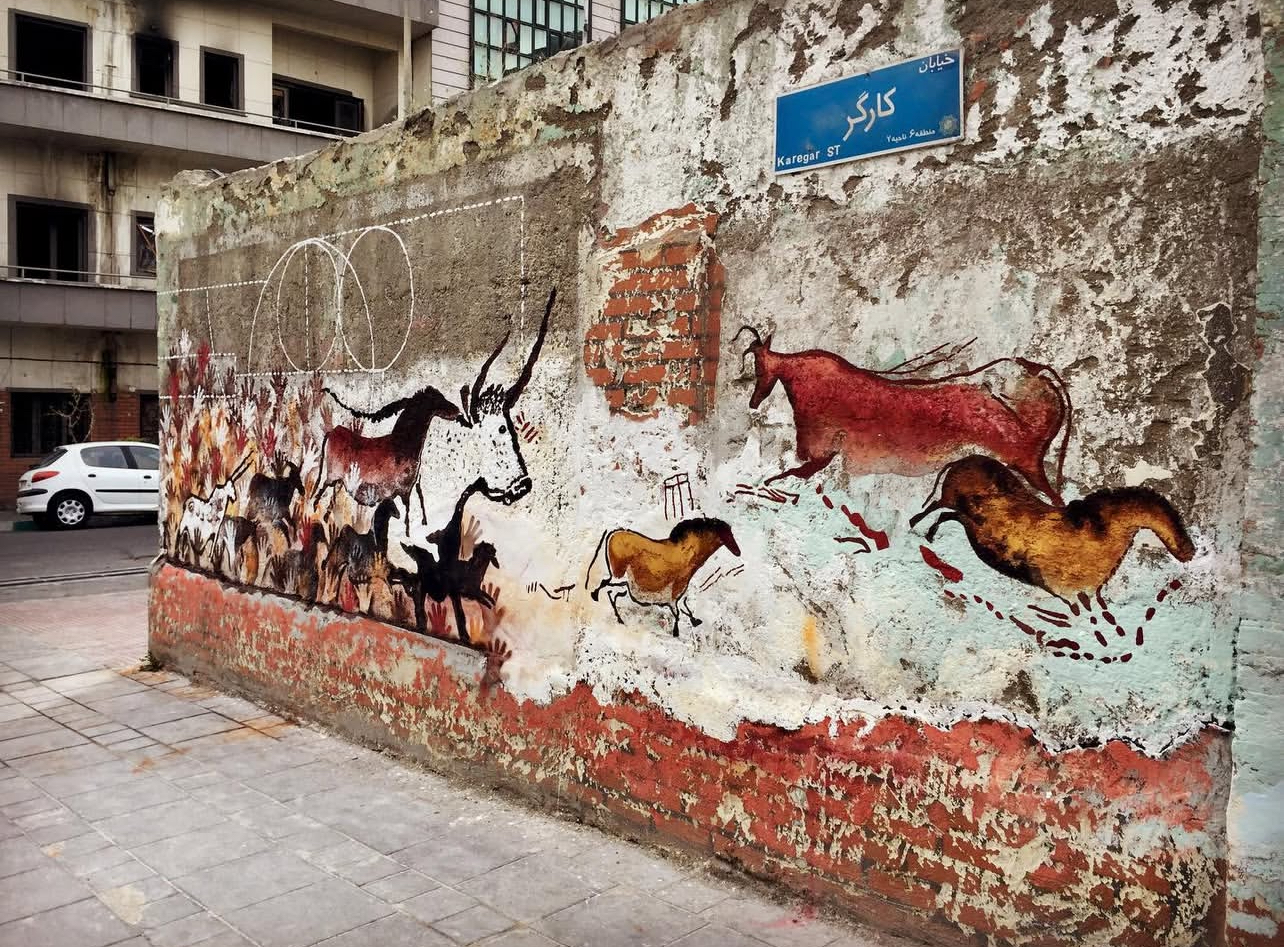
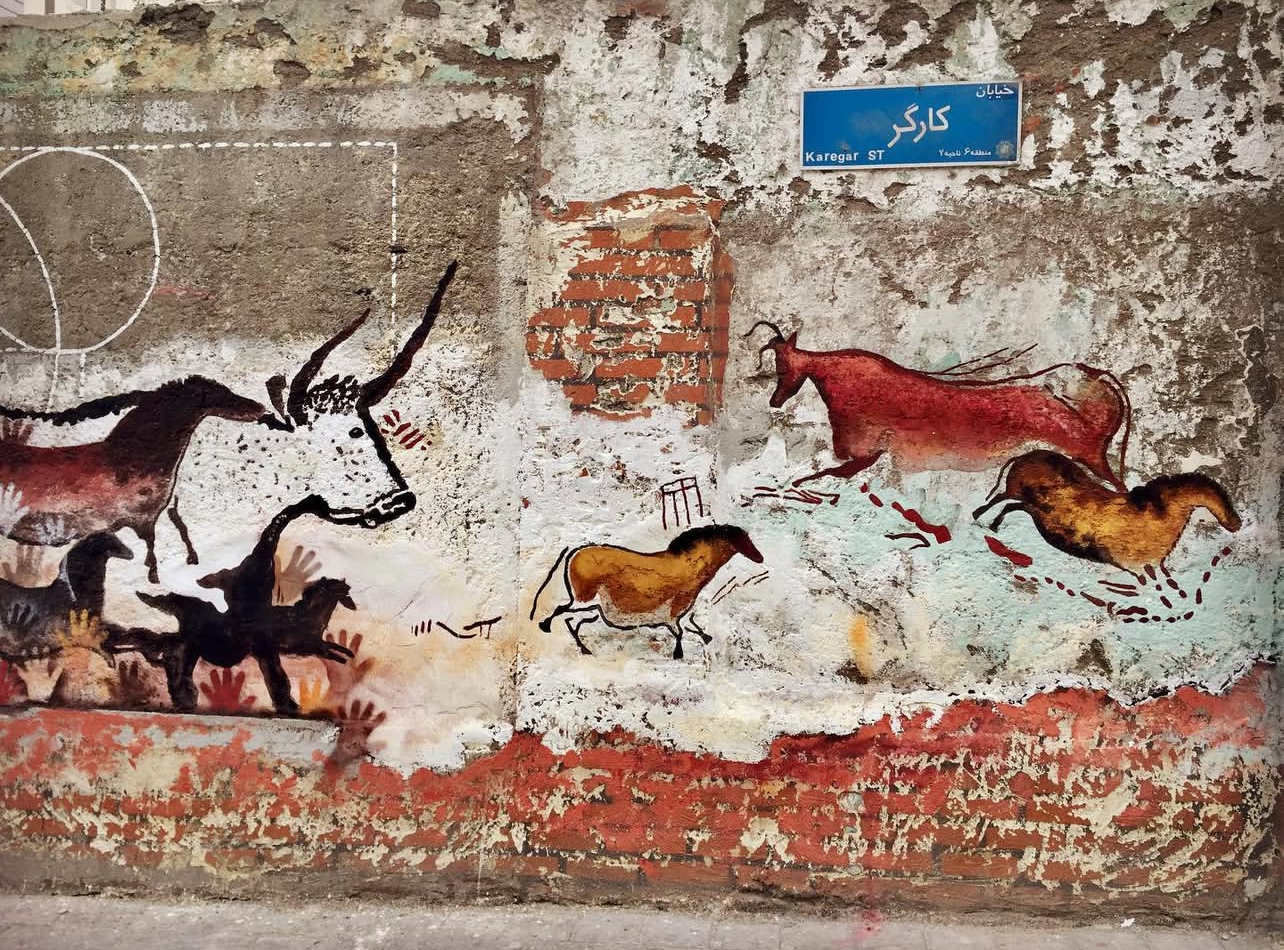
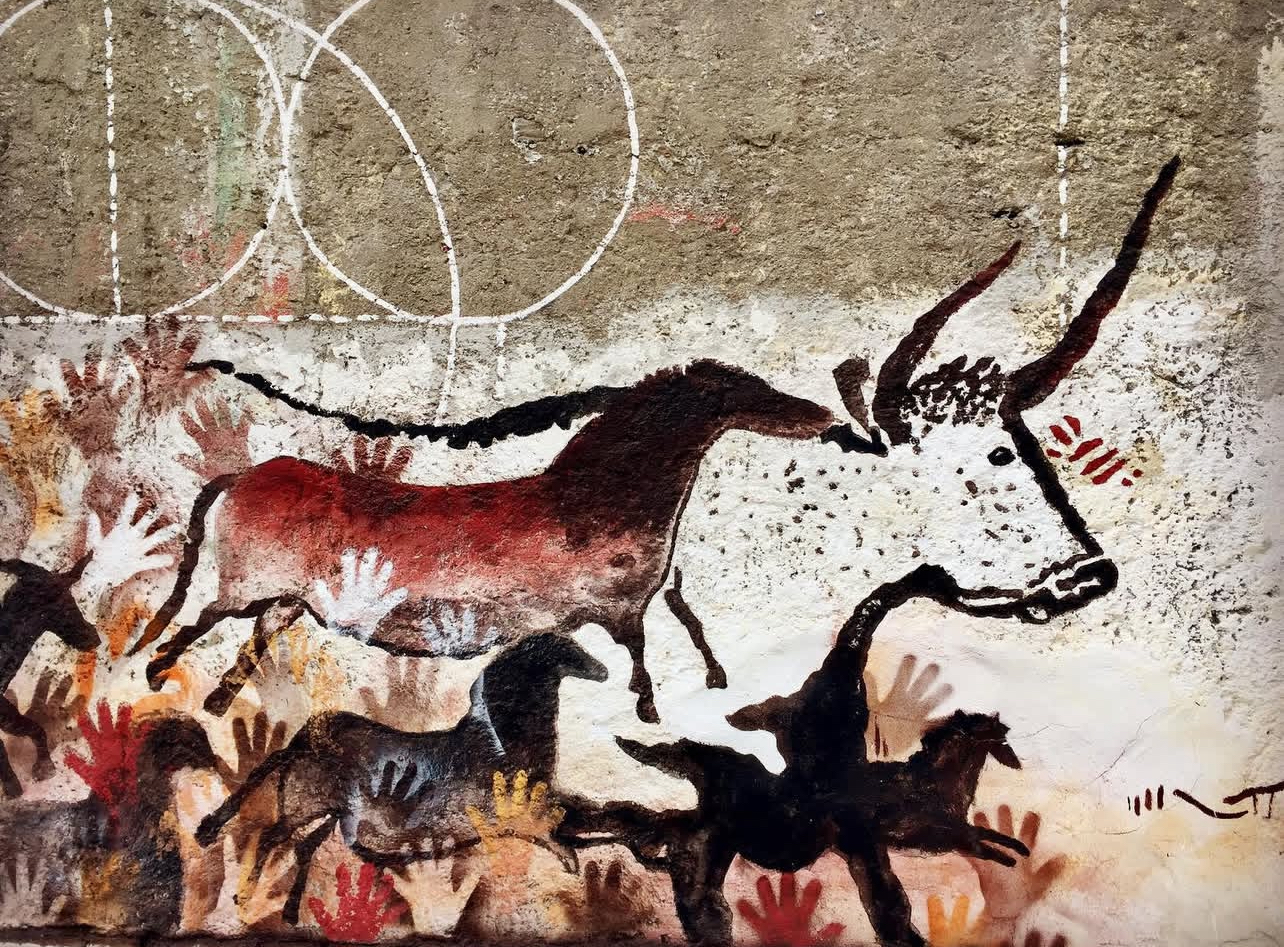
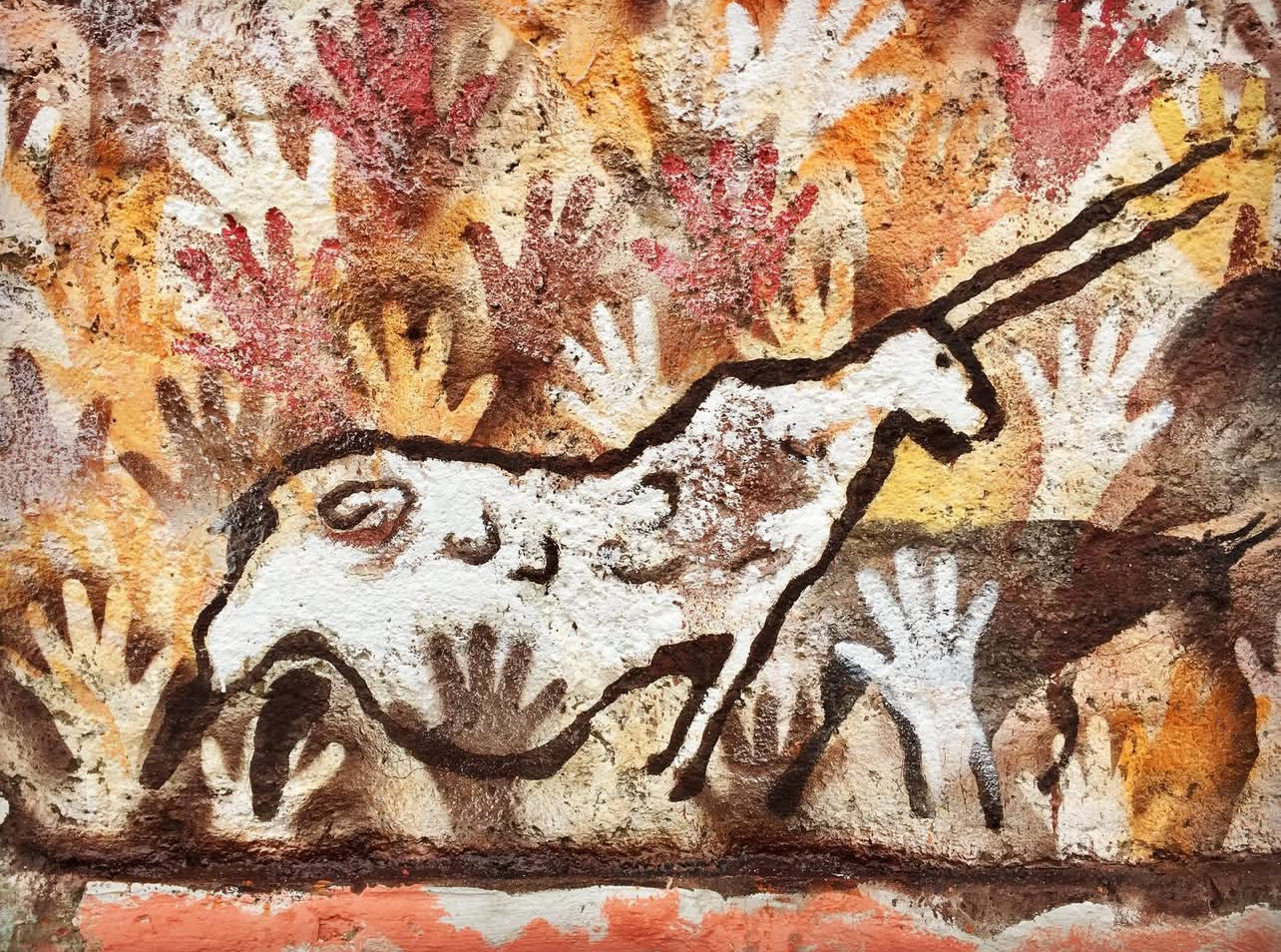
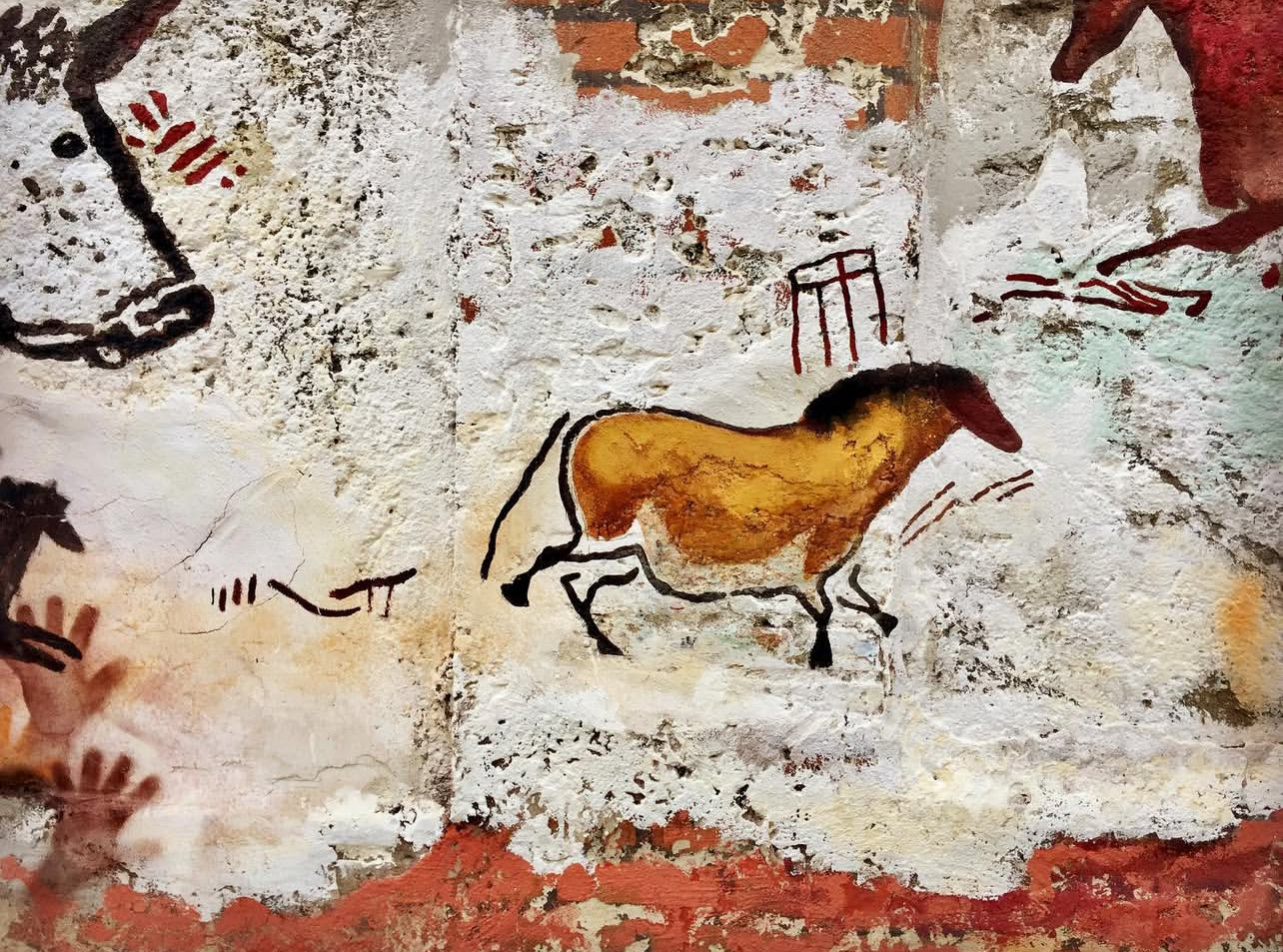
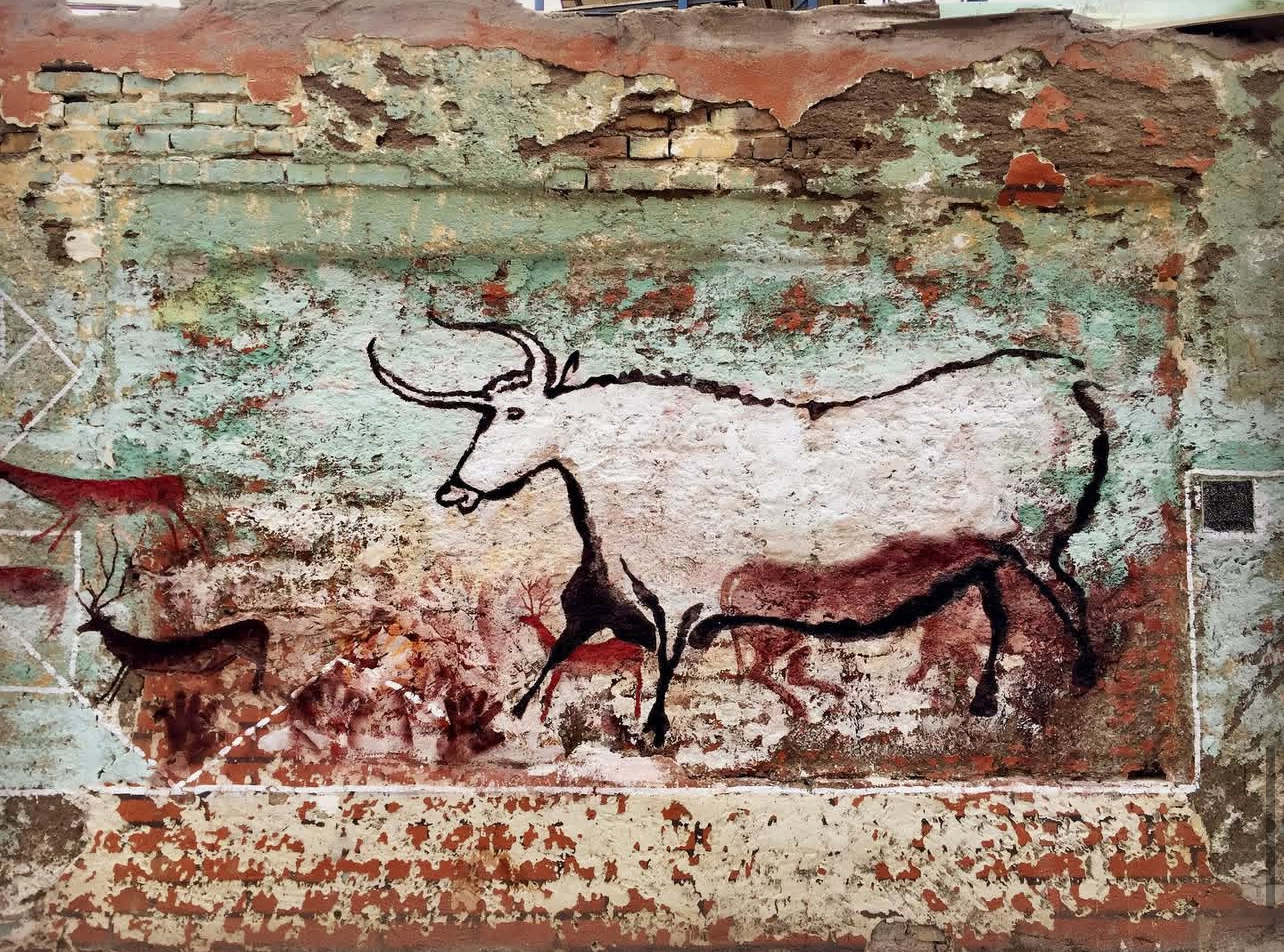
The imagery draws
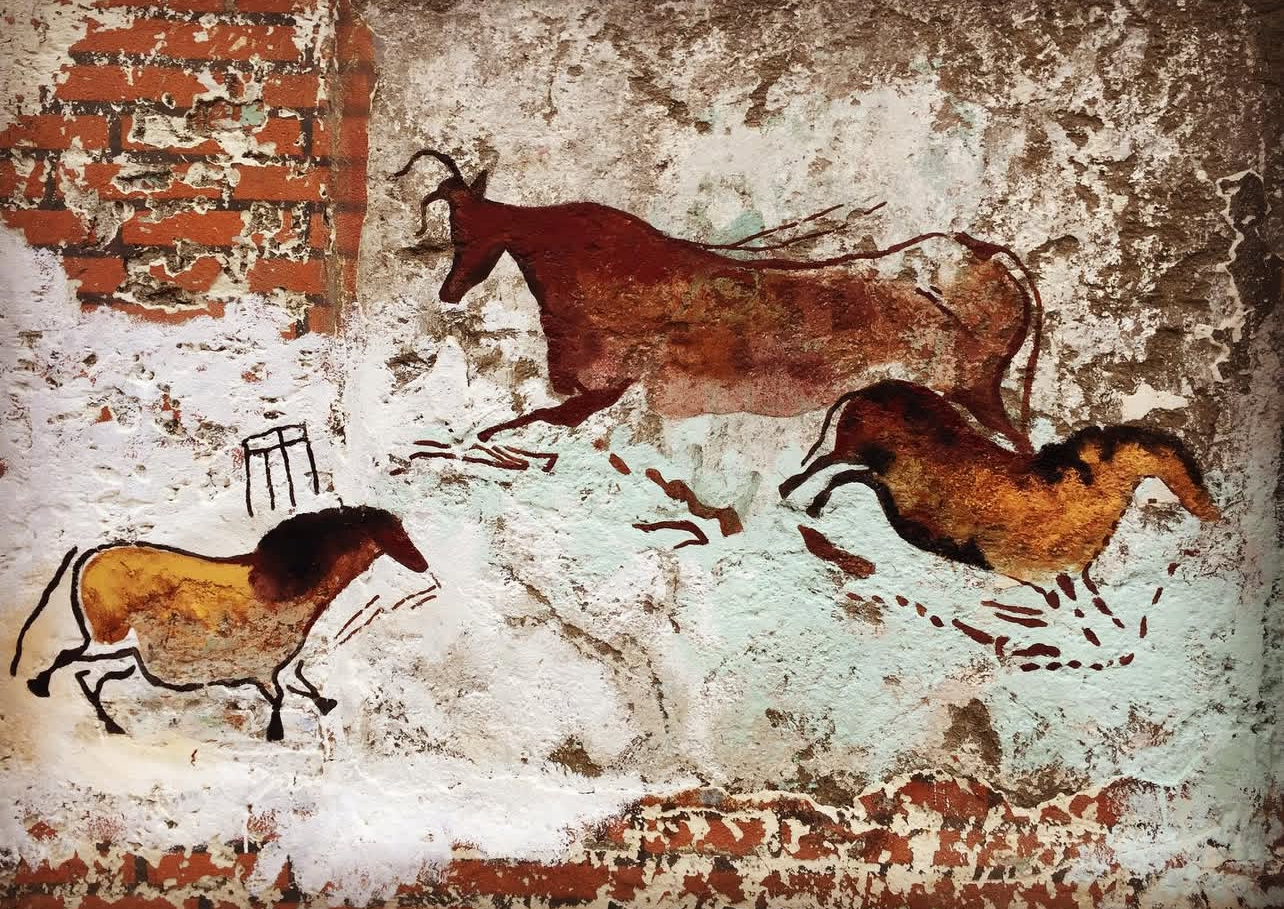
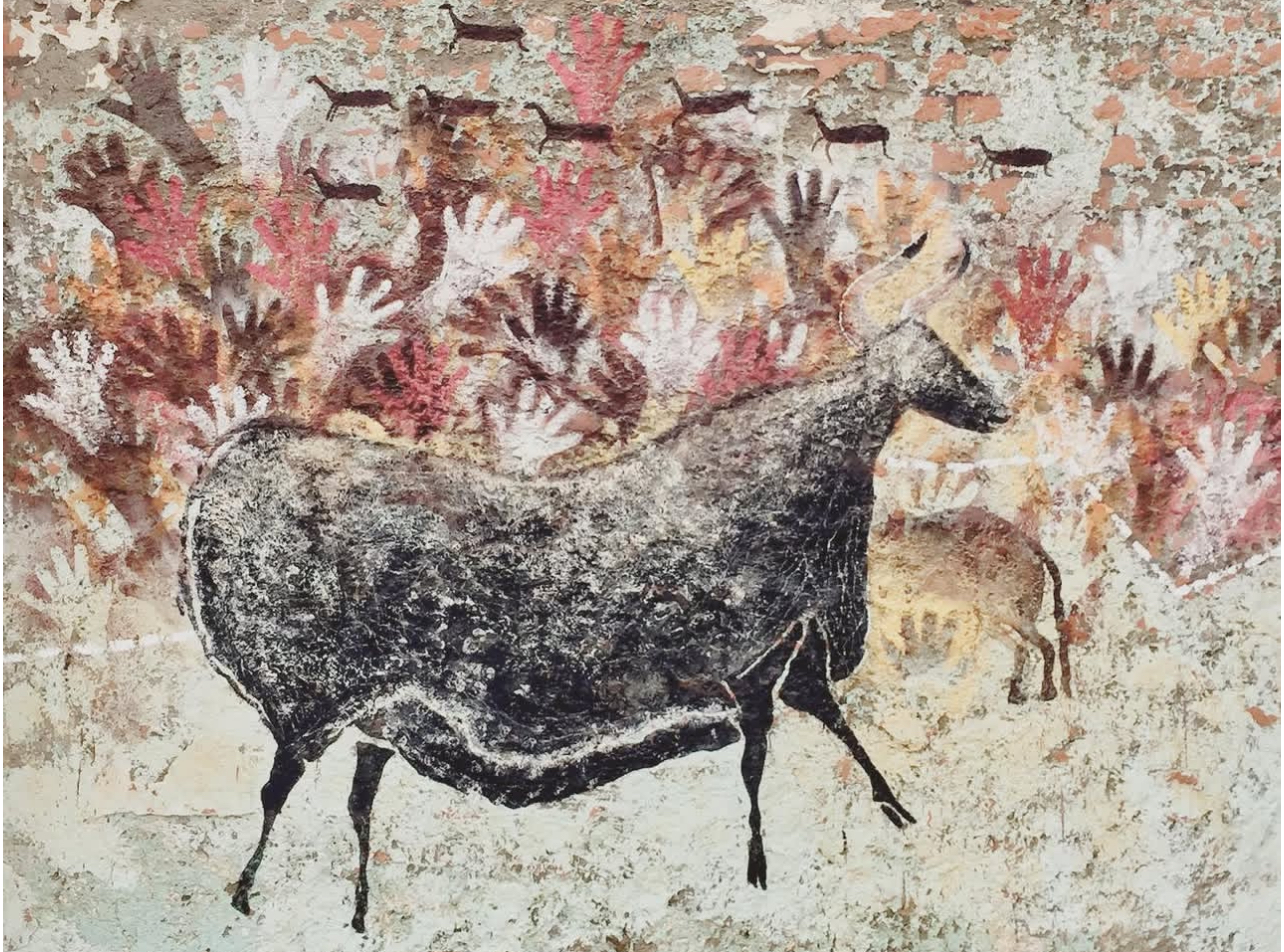
from early representations of animals and movement, inspired by the Lascaux cave
paintings. Rather than reconstructing these images as separate references, they
are embedded within the existing texture of the wall.
The surface
itself—exposed brick, faded pigment, and uneven layers—echoes the material
condition of cave interiors. This allows the imagery to appear as if it is
emerging from the wall, rather than being placed onto it.
What becomes
visible is a shift in time. The wall functions as a shared ground where traces
of early image-making meet the present condition of the city.
